
Technology and Civilization
The Year the World Agreed to Count the Same Way
Railways and telegraphy made local solar time costly. A negotiated standard changed transport, administration, work and eventually software.
Then and Therefore follows the long line between the past, the present, and the possibilities gathering ahead.
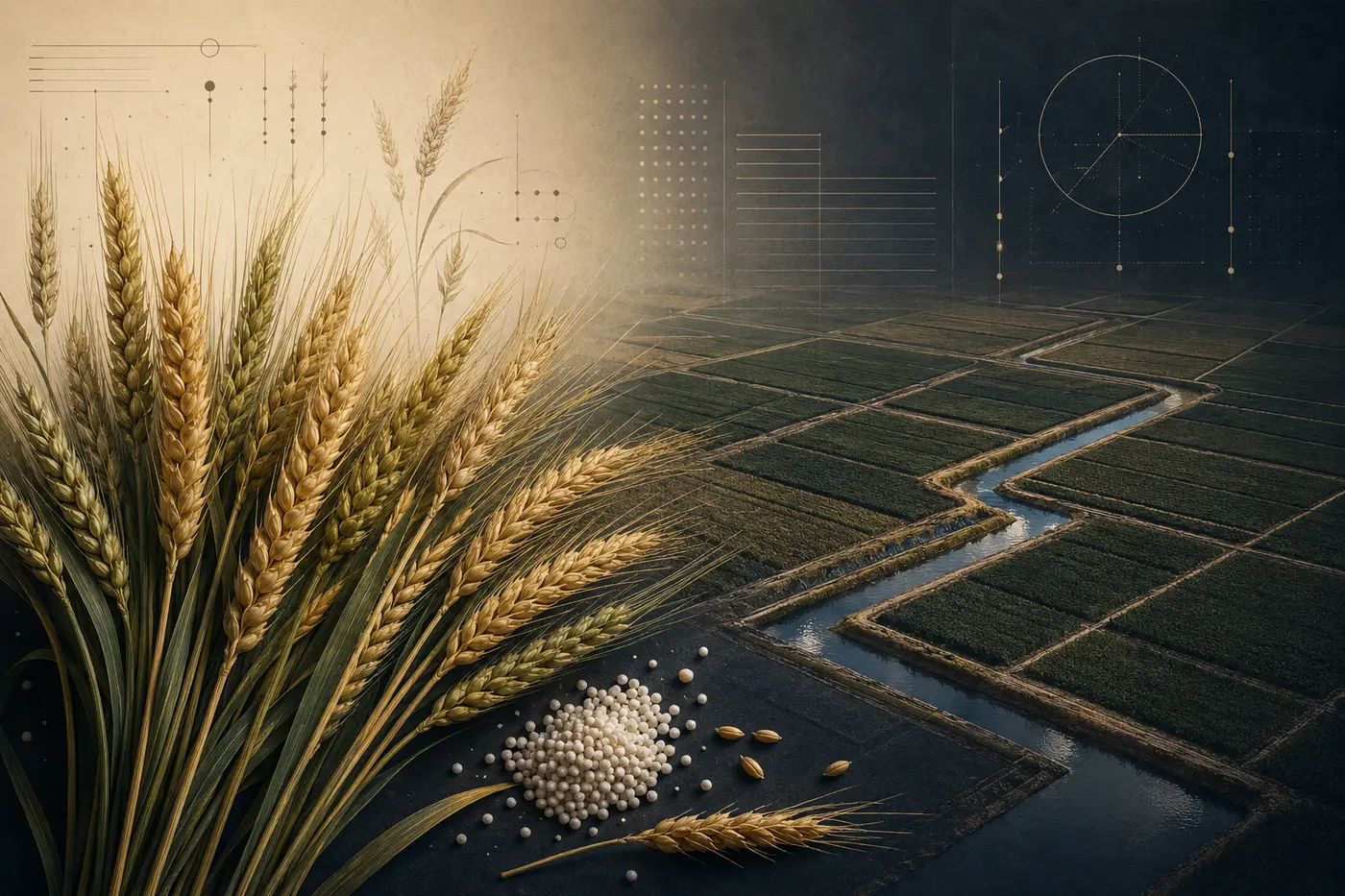
Synthetic ammonia helped feed billions. Its success also built a food system around fossil energy and a vast new flow of reactive nitrogen.
Read the story →These stories show how we work: begin with evidence, follow the consequences, and resist easy endings.
Railways and telegraphy made local solar time costly. A negotiated standard changed transport, administration, work and eventually software.
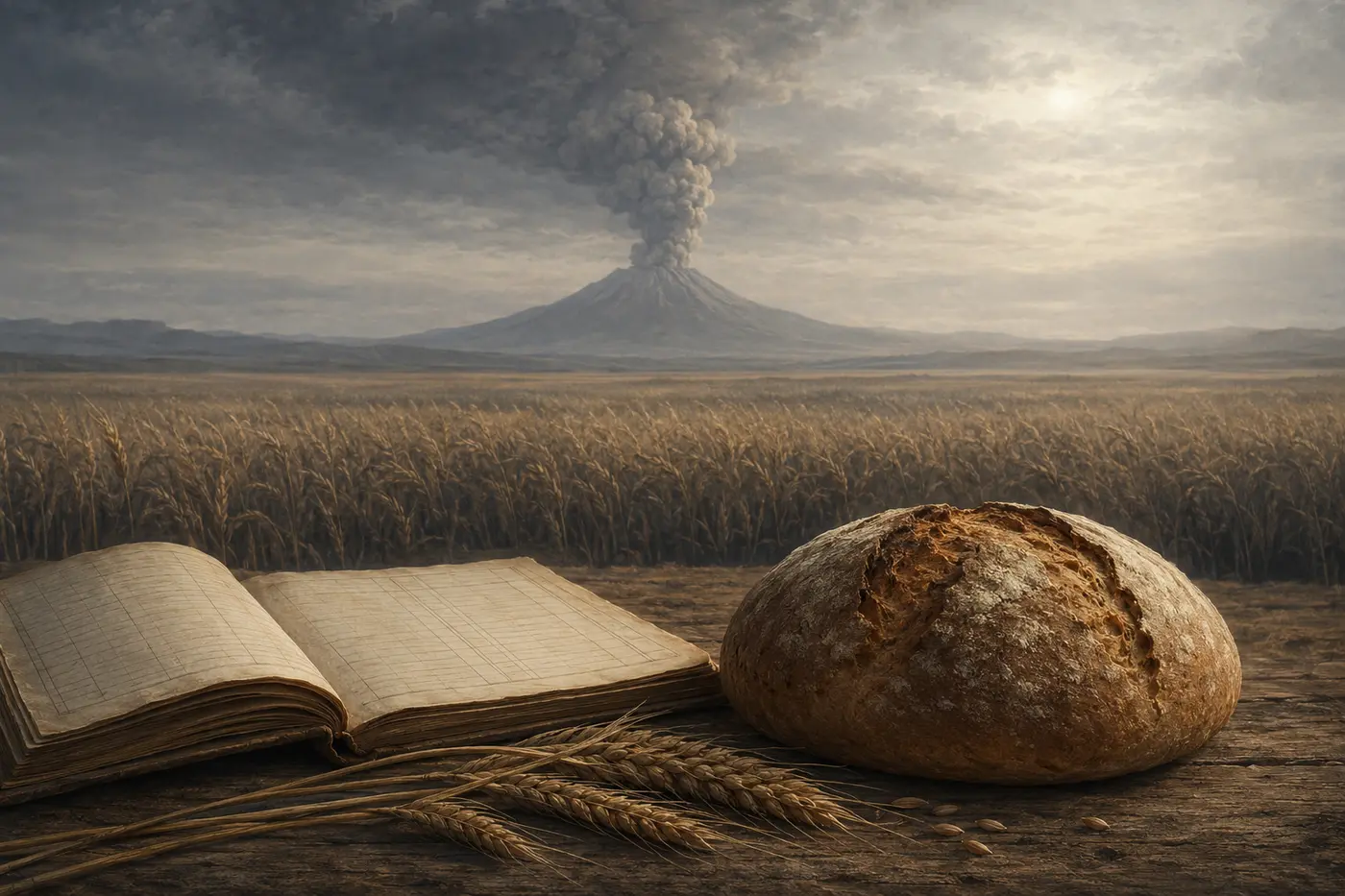
The eruption was local. Its consequences were not. A distant volcano altered skies, harvests and household decisions across continents.

The typewriter vanished from most desks. Its letter arrangement stayed, carried forward by habit, training and the cost of changing together.
Follow an idea across centuries, fields, and unintended consequences.
Some choices keep governing long after the original decision-makers are gone.
Explore collection →Collection 02The inventions and conventions hiding inside an ordinary day.
Explore collection →Collection 03Every tool solves a problem. Some quietly create another.
Explore collection →Collection 04Recurring pressures, unfamiliar forms—and the danger of easy analogy.
Explore collection →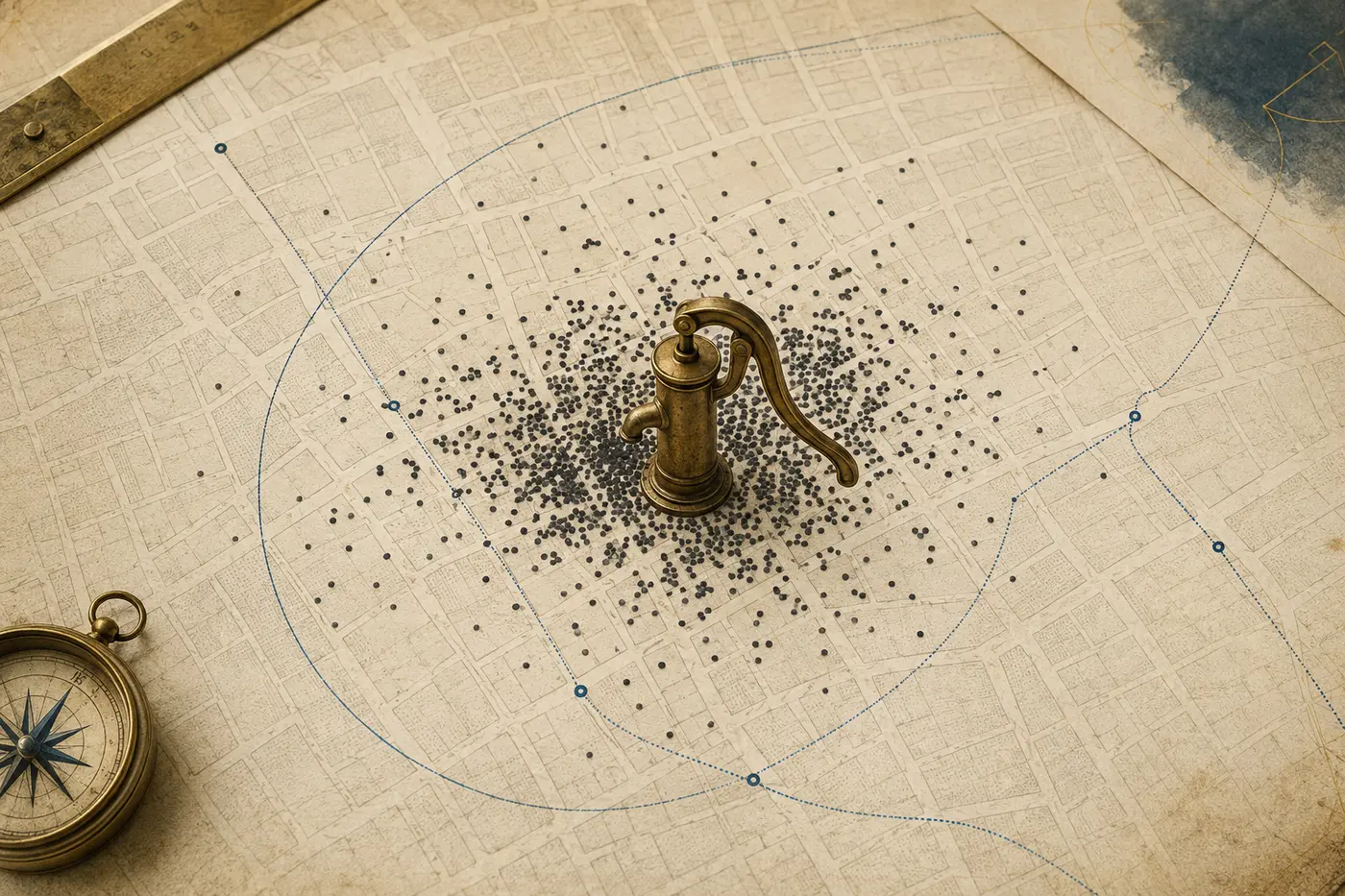
Dots on a street map did not defeat cholera by themselves. Their power came from connecting deaths, place and a contested explanation.

For most of history, light was costly. Electricity reversed that scarcity and rearranged work, leisure, streets—and the body’s oldest rhythms.
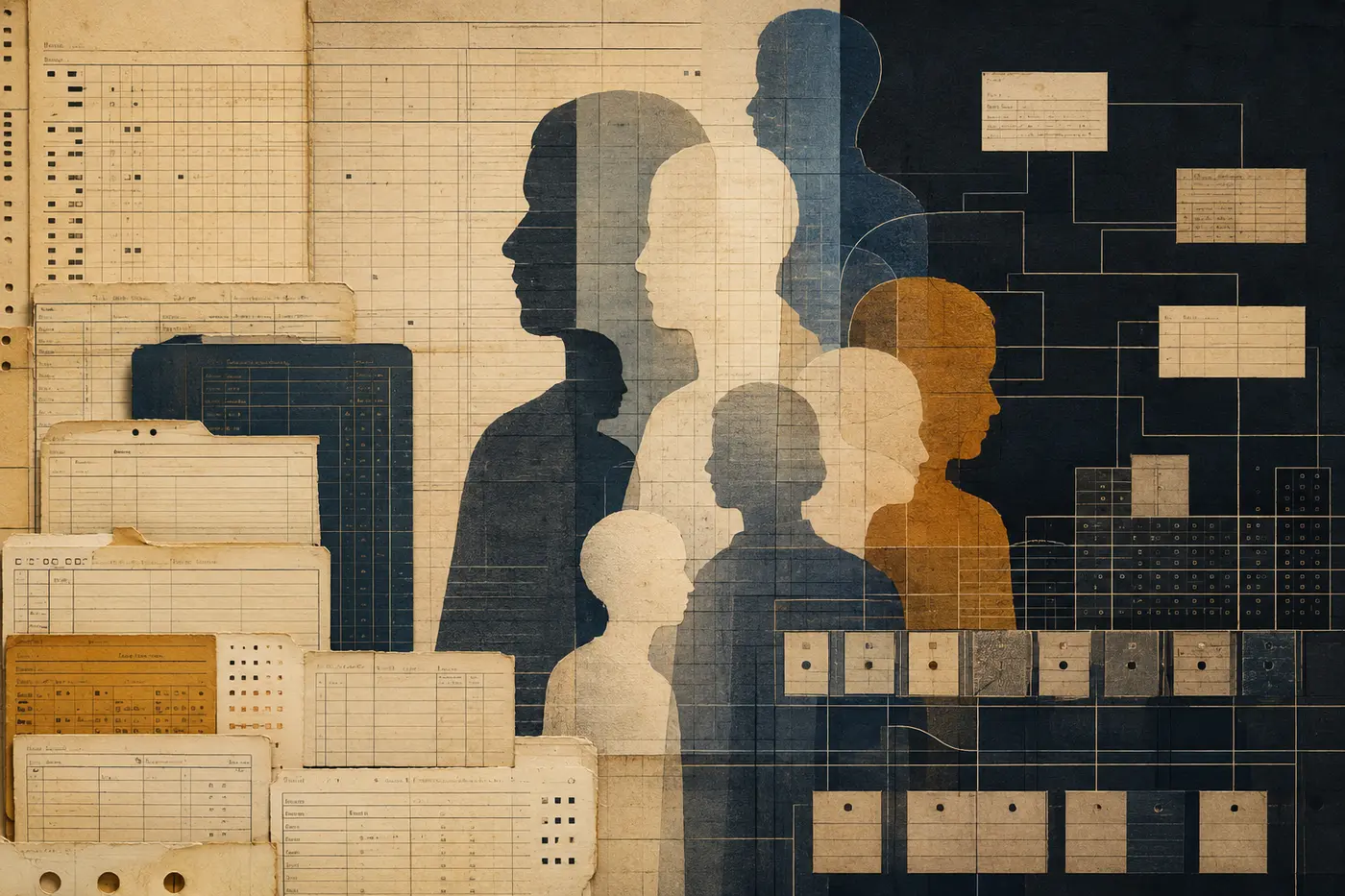
A census appears to record society. Yet the boxes on the form can also harden fluid identities into durable political facts.
New crop varieties helped avert feared shortages. Their success also tied harvests more closely to water, fertilizer, credit and policy.

New media repeatedly arrive with a familiar accusation: too much information, too little judgment, and the wrong people gaining influence.

A gambling problem helped produce tools now used in insurance, medicine and public policy. The numbers clarified risk, then created new ways to misunderstand it.
Membership turns our research into weekly intelligence-style briefs, monthly dossiers, evidence maps, timeline sheets and a growing archive that records when conclusions change.
See exactly what members receiveUse topic hubs, curated paths, search and connected consequences to find the right next story.
Enter the library →